For fifteen years, my father’s 22-foot Grady-White fishing boat, The Second Chance, lived on a trailer in his Michigan backyard. It was his sanctuary. When he passed, leaving me the boat in Florida, the inheritance felt bittersweet. I wanted to hear that Evinrude engine hum on the Gulf, to feel him with me on the water. But between us lay a thousand miles of interstate. This wasn’t a piece of furniture. It was a wide, heavy, complex object with a ten-foot beam. The idea of renting a truck and towing it myself through the Smoky Mountains was a recipe for disaster. I needed boat transport, but the world of specialized haulers was a mystery. I kept thinking, if only I could just book auto transport like a normal car. But a boat isn’t a car. It’s a much bigger, wetter headache.
The Measurements That Told a Scary Story
My first call was to a general freight company. The agent asked for dimensions. I gave them: 22 feet long, 10 feet wide, 8 feet tall on the trailer. He whistled. “Ma’am, that’s a permit load,” he said. “Over-width. You can’t just put that on any trailer. You need a lowboy with escorts in some states.” His words hung in the air. Escorts? Permits? I pictured a parade of police cars. The cost he quoted was a gut punch. I felt naive. I’d thought of it as a big car, but it was a piece of regulated infrastructure. My simple plan to bring a piece of my dad home was crumbling into a maze of logistics and red tape.
The Mariner’s Advice at the Gas Dock
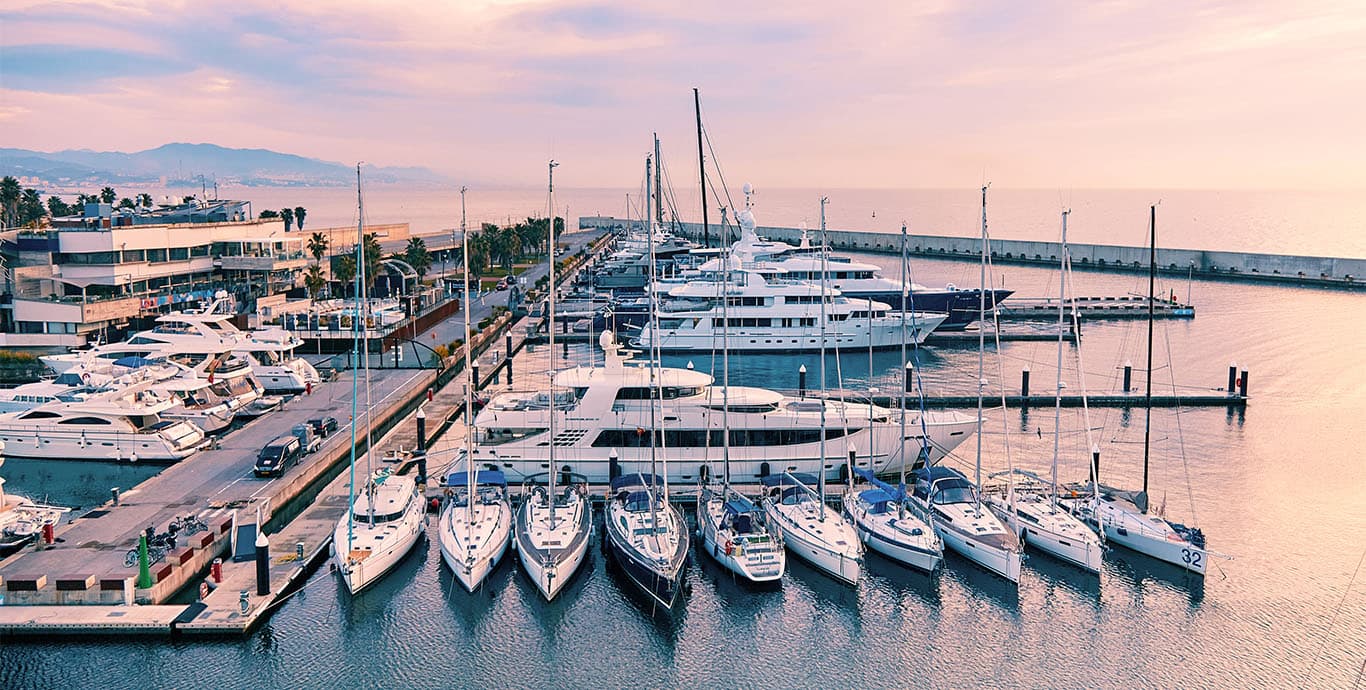
Feeling defeated, I drove to my local marina in Florida, just to be near the water. I struck up a conversation with an old-timer, Captain Rick, who was hosing down a charter boat. I told him my Michigan-to-Florida dilemma. He chuckled, not unkindly. “You’re thinking like a landlubber,” he said, shutting off the hose. “You don’t call a freight company. You call a boat hauler. They’re a different breed. They know the heights of every overpass between here and there.” He wrote down a name on a damp piece of paper. “These guys move yachts for a living. Your Grady will be a vacation for them. Just make sure it’s prepped right.” Prep. Another new word.
The Prepping Ritual: More Than Just Gas and Go
Captain Rick’s warning about prep sent me back to Michigan for a weekend. “Prepping” the boat was a final, loving act of care. It meant removing the outriggers, the radar, the radio antenna—anything that could snap off or catch wind. It meant draining the freshwater system and adding antifreeze. It meant ensuring the trailer bearings were freshly packed and the tires were new. I took a hundred photos of the hull, the gel coat, the trailer. This wasn’t just a vessel; it was a patient being readied for surgery. When the transport company asked for “pre-haul photos,” I finally understood. This meticulousness was the language of professional boat transport. They needed to see what they were signing up for, and I needed to prove I’d done my part.
Finding the Right Hauler: It’s All in the Questions
The company Captain Rick recommended, Gulfstream Transport, had a website showing pictures of massive sportfishers on multi-axle trailers. When I spoke to the dispatcher, Maria, she didn’t just take my credit card. She interviewed me. “Is the trailer registered and insured? Are the tires less than two years old? Did you drain the livewell?” Her questions were a checklist of nightmares averted. She explained they would secure the boat with heavy-duty straps through the hull eyes, not just around the trailer. They would handle all the permits. The driver would be a specialist who only moved boats. This was how you truly book auto transport for a non-auto: by finding the niche experts who eat, sleep, and breathe your specific problem.
The Long Wait and the Short Text
The pickup day was set. The driver, a man named Boyd with a voice like gravel, called when he was an hour out. He arrived, did his own inspection with a clipboard, and took more photos. We signed the condition report together. Watching him expertly winch the boat onto his custom lowboy trailer, using his own braces and chocks, was a lesson in skill. It looked… right. Secure. Then, he drove off. For three days, I heard nothing. The anxiety was immense. Then, a simple text from a Georgia area code: “Clear of the mountains. All solid. ETA tomorrow 3 PM.” No frills, no panic. Just solid. It was the most beautiful text I’d ever received.
The Homecoming at the Boat Ramp
Boyd met me not at my house, but at the public boat ramp I’d chosen. “Easier to launch and check for leaks right here,” he said, proving again he knew more than I did. He backed the rig down the ramp with an artist’s touch. We floated The Second Chance, and she sat in the water, perfect and dry. We signed the final paperwork. I handed him a tip; he refused, nodding at the boat. “Just take your dad fishing.” The first pull of the engine cord in that salty Florida air, the familiar sputter and roar, was the sound of a journey completed. The complex ordeal of boat transport had delivered not just a boat, but a living legacy.
Your Voyage Over Land
If you need to move a boat, understand this: it is a specialized world. Don’t start with a generic freight quote. Start at your local marina and ask for names. Your hauler should ask more questions than you do. Prepping the boat is your sacred duty. The right company won’t just move it; they’ll guide you through the entire process, transforming anxiety into assurance. While you can’t simply book auto transport, you can find the marine equivalent—professionals who treat your vessel with the reverence it deserves, turning a daunting overland voyage into a smooth sail.