How Can You Complete a Sage 50 Upgrade Without Facing Technical Errors?
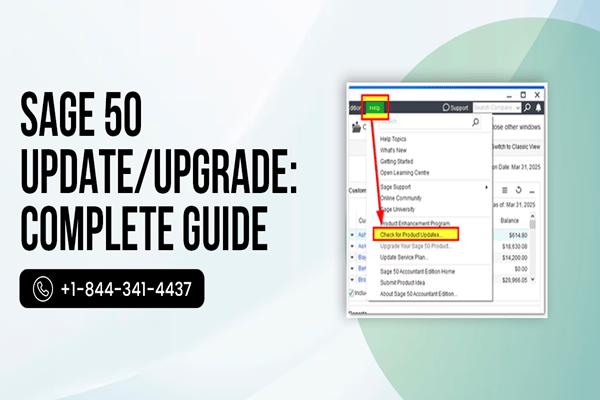
Completing a Sage 50 upgrade without encountering technical issues is possible when businesses follow a structured approach that includes proper preparation, system checks, backups, and correct installation procedures. Upgrading your accounting software ensures access to the latest features, security improvements, and compliance updates. However, technical errors during the upgrade process can interrupt operations if not handled properly. This guide explains the essential steps businesses should follow to perform a smooth upgrade while protecting their financial data and maintaining system stability. If you need professional assistance during the process, experts are available at +1-844-341-4437 to help ensure your upgrade is completed successfully.
On this page
Table of Contents
On this page
Table of Contents
Why Is a Sage 50 Upgrade Important for Businesses?
Upgrading accounting software is not just about accessing new features—it also helps businesses maintain performance, security, and compliance. A properly completed Sage 50 upgrade can significantly improve system reliability and overall efficiency.
Improved Software Performance
New versions of Sage 50 often include performance improvements that help the software run faster and more efficiently. These enhancements reduce processing time for financial reports and daily accounting tasks.
Enhanced Security Protection
Security updates are a major benefit of performing a Sage 50 upgrade. Updated versions include patches that protect your financial data from vulnerabilities and cyber threats.
Access to New Features
New releases often introduce automation tools, improved reporting features, and enhanced dashboards that simplify financial management.
Compliance with Regulations
Tax regulations and accounting standards frequently change. Installing the latest Sage 50 update ensures your system remains compliant with these requirements.
What Should You Do Before Starting a Sage 50 Upgrade?
Preparation is the key to avoiding technical errors during the upgrade process. Before beginning the installation, businesses should complete several important steps.
Backup Your Company Data
The first and most critical step is creating a complete backup of your company files. A backup ensures that your financial data remains safe if something goes wrong during the upgrade.
Check System Requirements
Before installing a new version, verify that your computer meets the required specifications, including operating system compatibility, RAM, and storage capacity.
Install the Latest Updates
Ensure that your current version has the most recent Sage 50 update installed. Updates often fix compatibility issues that could cause problems during the upgrade.
Notify All Users
In multi-user environments, inform all employees about the upgrade schedule. Users should log out of the system before the process begins.
Taking these steps significantly reduces the risk of problems during a Sage 50 upgrade.
How Do You Perform a Sage 50 Upgrade Step by Step?
Following the correct installation process is essential for avoiding technical errors. The following steps outline a reliable approach.
Step 1: Download the Latest Version
Visit the official Sage portal and download the most recent version compatible with your license.
Step 2: Close All Running Applications
Close Sage 50 and any other programs running on your system to prevent installation conflicts.
Step 3: Run the Installer as Administrator
Right-click the installation file and select Run as Administrator. Administrative privileges allow the installer to modify system files and complete the process successfully.
Step 4: Follow Installation Instructions
Carefully follow the on-screen prompts to complete the installation process.
Step 5: Convert Company Files
Once the installation is finished, open Sage 50 and allow the software to convert your company files to the new version.
This structured process helps ensure a smooth Sage 50 upgrade without unnecessary interruptions.
What Are the Most Common Technical Errors During an Upgrade?
Even with proper preparation, some users may experience technical issues during the upgrade process.
Installation Errors
Installation failures may occur due to antivirus programs blocking installation files or insufficient system permissions.
Company File Conversion Errors
Sometimes the software may struggle to convert company files to the new version.
Network Configuration Issues
In multi-user environments, incorrect server settings can prevent users from accessing the system after the upgrade.
Missing Files or Data
Improper installation or interrupted downloads may cause files to become inaccessible.
Understanding these common problems helps users quickly resolve them and continue with their Sage 50 upgrade.
How Can You Troubleshoot Sage 50 Upgrade Problems?
If you encounter errors during the upgrade process, several troubleshooting steps can help resolve them.
Restart the System
A simple system restart can eliminate temporary conflicts and allow the installation to proceed normally.
Disable Security Software Temporarily
Antivirus or firewall programs may block certain installation files. Temporarily disabling them can resolve installation issues.
What Are Best Practices for Preventing Upgrade Issues?
Preventing technical errors is easier than fixing them after they occur. Businesses can follow several best practices to ensure smooth upgrades.
Schedule Upgrades During Off-Hours
Perform upgrades outside normal business hours to minimize workflow interruptions.
Maintain Regular Backups
Frequent backups protect your accounting data from unexpected issues.
Keep Software Updated
Regularly installing a Sage 50 update ensures your system remains stable and compatible with future upgrades.
Test the Upgrade Process
If possible, test the upgrade on a backup system before applying it to the main environment.
Work With Experts
For complex installations or multi-user environments, professional support can help ensure a successful upgrade.
What Benefits Do Businesses Gain from a Successful Upgrade?
A successful upgrade offers several long-term advantages for businesses.
Faster System Performance
New versions of Sage 50 often include improvements that increase speed and efficiency.
Better Data Security
Updated security features help protect sensitive financial data.
Improved Reporting Capabilities
Advanced reporting tools allow businesses to generate more detailed financial insights.
Increased Productivity
Automation features reduce manual work and improve overall workflow efficiency.
Long-Term Software Stability
Completing a Sage 50 upgrade correctly ensures that your accounting system remains stable and reliable for daily operations.
Conclusion
Completing a Sage upgrade without technical errors requires careful preparation, correct installation procedures, and proper troubleshooting techniques. By backing up your data, verifying system requirements, installing the latest Sage 50 update, and following step-by-step installation guidelines, businesses can ensure a smooth transition to the latest software version. These best practices not only reduce downtime but also protect critical financial data. If your organization needs expert assistance during the process, professional support is available at to guide you through the upgrade and resolve any technical challenges efficiently.
Comments
0 comments
No comments yet. Be the first to comment.
Related Articles
Mar 17, 2026
How Can You Manually Download Updates in Sage 50? A Simple Step-by-Step Guide
Understanding how to manually download updates sage 50 is essential for businesses that want to maintain accurate accounting performance, ensure compliance, and access the latest software improvements without relying on automatic updates. Many organizations prefer manual installation to maintain system control, test compatibility, or manage network restrictions. If you require professional assistance while performing the […]