Navigating the Hub: Your Guide to Air Cargo in London
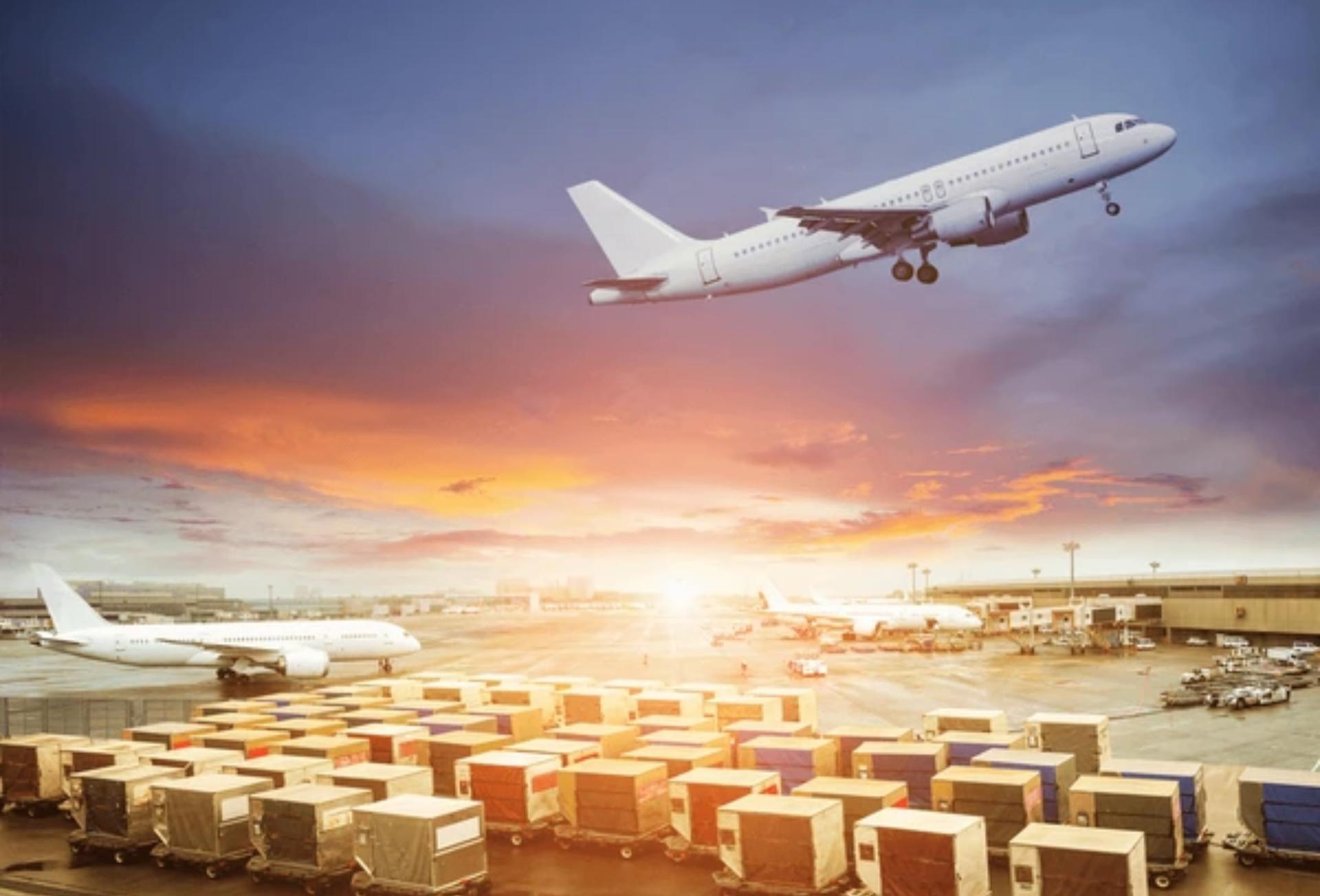
Let’s be honest, when you think of London, you likely picture Big Ben, red buses, and bustling streets. But high above the city, a different kind of traffic pulse drives global trade. London is a titan of air cargo, a critical intersection where time-sensitive shipments connect continents. Whether it’s a prototype for a tech startup in Shoreditch, a rush order of fashion samples for a Mayfair designer, or vital pharmaceuticals for a UK hospital, getting goods airborne here is a complex dance. Understanding the ecosystem of air cargo London is essential for any business that needs to move products quickly and reliably across the world’s supply chains.
On this page
Table of Contents
On this page
Table of Contents
The Major Gateways: Heathrow, Gatwick, and Stansted
Your cargo’s journey hinges on the airport. Heathrow (LHR) is the undisputed heavyweight, a dedicated cargo colossus handling over half of the UK’s air freight by value. It’s the hub for full freighters and premium belly-hold cargo on passenger planes, ideal for high-value, urgent goods. Gatwick (LGW) is a key player for express operators and passenger flight bellyhold, often serving different trade routes. Stansted (STN) has carved a niche as a leader for cargo-only flights, especially favored by integrators like FedEx and UPS for next-day parcels. Choosing the right airport isn’t random; it depends on your carrier, final destination, and the nature of your shipment.
Beyond the Flight: The Role of Freight Forwarders
You wouldn’t navigate London’s Tube system without a map, and you shouldn’t navigate air freight without a expert guide. This is where freight forwarders become your most valuable partner. A good forwarder operating in air cargo London does far more than book space on a plane. They are logistics architects. They handle the labyrinth of paperwork—air waybills, customs declarations, and security certifications. They arrange collection from your warehouse, manage secure trucking to the airport (a critical leg called “road feeder service”), and navigate the strict security protocols. Their expertise and relationships are what transform a complex challenge into a smooth, single point of contact.
Understanding the Real Costs: More Than Just a Price Per Kilo
The quoted “air freight rate” is just the beginning. To budget accurately, you must understand the full cost landscape. Besides the base chargeable weight fee (based on volume or actual weight), you’ll encounter fuel surcharges, which fluctuate with oil prices. Security fees are mandatory for screening. Customs clearance costs cover the agency work for HMRC. There are also handling fees at origin and destination airports for transferring and storing your pallet or container. A transparent forwarder will detail these “accessorial charges” upfront. Ignoring them leads to nasty surprises that can erase your product’s margin.
Speed vs. Value: Choosing the Right Service Level
Not all cargo needs to fly at breakneck speed. The air cargo London market offers tiers. Express is the fastest, door-to-door, often on dedicated integrator networks for parcels under 70kg—perfect for critical documents or spare parts. Standard Air Freight is for larger palletized shipments, usually airport-to-airport, with a 3-5 day transit. It balances speed and cost. Deferred Air Freight is a slower, cheaper option for non-urgent goods, where the carrier has flexibility on routing. Your choice directly impacts cost; paying for express on a non-urgent shipment is like taking a black cab when the Tube would do.
Clearing the Customs Hurdle: Documentation is King
The plane landing is only half the battle. Your shipment cannot leave the airport without clearing UK customs. This process is entirely dependent on perfect paperwork. The commercial invoice, packing list, and certificate of origin must be flawless and aligned. Errors cause delays, storage demurrage fees, and even seizures. Post-Brexit, rules for EU-origin goods have added complexity. A skilled forwarder or dedicated customs broker is indispensable here. They ensure your goods are classified with the correct commodity codes and that all duties and VAT are calculated and paid, preventing your precious cargo from being stuck in purgatory.
Packing for the Sky: A Lesson in Security and Safety
How you pack your goods is not an afterthought; it’s a regulatory requirement. Air cargo security in London is among the globe’s strictest. Packages must be packed to prevent tampering and allow for easy inspection. Certain items are strictly prohibited (lithium batteries have specific rules), while others are restricted. Fragile goods need expert crating to withstand handling and pressure changes. Pallets must be built to airline specifications (net-wrapped, no overhang) to ensure they fit in the aircraft’s hold and don’t shift during flight. Poor packing leads to rejections, delays, and damaged goods upon arrival.
Comments
0 comments
No comments yet. Be the first to comment.
Related Articles

Mar 17, 2026
How Can You Manually Download Updates in Sage 50? A Simple Step-by-Step Guide
Understanding how to manually download updates sage 50 is essential for businesses that want to maintain accurate accounting performance, ensure compliance, and access the latest software improvements without relying on automatic updates. Many organizations prefer manual installation to maintain system control, test compatibility, or manage network restrictions. If you require professional assistance while performing the […]