Why Phlebotomy Training Is a Great Career Choice in Healthcare?
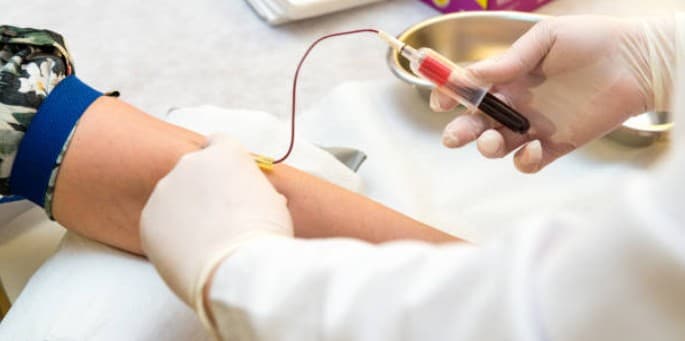
Healthcare is one of the most respected and stable career sectors in the world. Many people are now choosing clinical, skill-based professions for job security and personal satisfaction. If you enjoy working with people and want a practical healthcare role, phlebotomy could be an excellent career path.
On this page
Table of Contents
On this page
Table of Contents
Phlebotomy training provides essential clinical skills for blood sample collection, patient communication, and infection control. Many students prefer Face-to-face phlebotomy training because it offers hands-on experience and real clinical exposure.
- Develops clinical confidence
- Supports patient diagnosis processes
- Offers flexible career opportunities
- Provides entry into the healthcare sector
- Builds practical medical skills
If you are considering a healthcare career, phlebotomy training is a strong starting point.
What Is Phlebotomy?
Phlebotomy is the medical practice of collecting blood samples for testing, diagnosis, and research. Phlebotomists play an important role in hospitals, laboratories, and clinics.
Healthcare professionals rely on accurate blood sample collection to diagnose conditions such as infections, anaemia, and metabolic disorders. Proper training ensures patient safety and sample quality.
Why Choose Phlebotomy Training?
Phlebotomy training is becoming popular in the UK because it offers a fast entry into healthcare employment. Many students prefer practical learning methods, such as Face-to-face phlebotomy training, to build real clinical competence.
Training programmes often include anatomy basics, venipuncture techniques, infection control, and communication in patient care.
When choosing a course provider, consider accredited training centres such as Lead Academy, which offers structured learning and practical experience.
Job Stability in the Healthcare Sector
Healthcare jobs are generally more stable than many other industries. The demand for trained phlebotomists continues to grow in hospitals, diagnostic laboratories, and private clinics across United Kingdom.
Blood testing is essential for medical treatment and disease monitoring. As healthcare services expand, skilled phlebotomists remain in high demand.
Practical Skills You Learn
Phlebotomy training emphasises practical competence. Many learners prefer Face-to-face phlebotomy training because it allows them to practise procedures under professional supervision.
Key skills include:
- Vein identification and selection
- Correct needle insertion technique
- Sample labelling and handling
- Infection prevention
- Patient comfort management
- Equipment preparation
These skills are essential for safe clinical practice.
Importance of Patient Communication
Working with patients requires good communication skills. Some patients may feel anxious about blood collection procedures.
Phlebotomy training teaches professionals how to:
- Explain procedures clearly
- Reduce patient anxiety
- Maintain professionalism
- Gain informed consent
Good communication improves patient experience and healthcare quality.
Entry-Level Healthcare Career Pathway
Phlebotomy is an excellent choice for beginners entering the healthcare field. It does not always require previous medical education.
Many students start their career journey through practical programmes such as Face-to-face phlebotomy training. After completing training, they can work in:
- Hospitals
- Private medical laboratories
- Blood donation centres
- GP practices
- Community health services
Flexibility and Career Growth
Phlebotomy offers flexible working opportunities. You may choose full-time, part-time, or agency-based employment.
Healthcare Industry Demand
The UK healthcare system requires trained clinical support staff. Blood testing is a routine but critical medical procedure.
Phlebotomy professionals contribute directly to patient diagnosis and treatment monitoring. This makes the profession meaningful and respected.
Suitable for Career Changers
Phlebotomy training is also ideal for people changing careers. Many adults choose this pathway because:
- Training duration is relatively short
- Entry requirements are flexible
- Employment opportunities are available after certification
- Practical clinical skills are highly valued
If you are interested in healthcare but want a practical role, phlebotomy may be a good option.
Learning Environment Matters
Choosing the right training provider is important. Quality courses provide:
- Experienced instructors
- Practical clinical sessions
- Patient simulation practice
- Competency assessment
- Career guidance support
Institutions offering Face to face phlebotomy training often help learners build real workplace confidence.
Conclusion
Phlebotomy training is an excellent career choice for individuals interested in healthcare, patient care, and developing clinical skills. It offers job stability, flexible career options, and meaningful work in the medical sector.
Practical learning methods such as
Comments
0 comments
No comments yet. Be the first to comment.
Related Articles

Feb 16, 2026
Spark Clear Aligners vs. The Rest: Why Dubai Patients Are Switching
Spark Clear Aligners feature a proprietary TruGEN(TM) polymer and manufacturing process that delays yellowing and staining for longer than some other brands, a practical benefit in Perth and equally desired in Dubai, where hot drinks are popular. Further, peer clinical studies of Spark and Invisalign confirm that results are at least comparable for technical factors […]
Feb 11, 2026
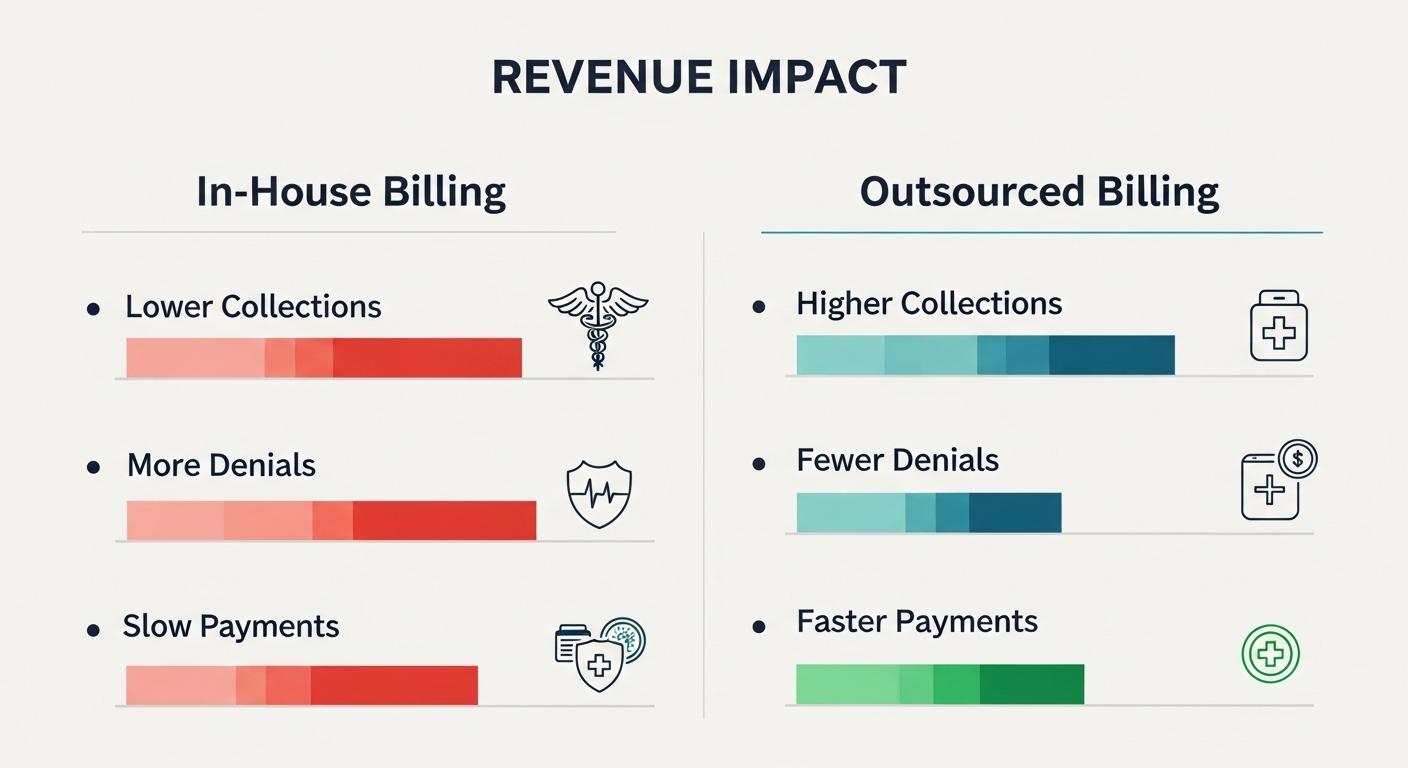
Why to Outsource Medical Billing Services?
Managing a medical practice today involves much more than delivering quality patient care. Behind every successful practice is a complex administrative system that keeps operations running smoothly. One of the most demanding parts of this system is medical billing. From coding and claim submission to denial management and compliance, billing requires accuracy, time, and deep […]