Your Comprehensive Guide to Success

Obtaining a Class 5 license is an important milestone in your journey toward independence on the road. This license allows you to drive a car without restrictions in many jurisdictions, and preparing for it involves both theoretical knowledge and practical skills. This guide will provide an overview of Class 5 license training, including important components, requirements, and tips for success.
On this page
Table of Contents
On this page
Table of Contents
Understanding the Class 5 License
A Class 5 license typically allows you to drive standard passenger vehicles without restrictions. In many regions, this license is required for anyone wishing to operate a vehicle without a supervising driver. The training process focuses on developing safe driving habits and a solid understanding of traffic laws. It’s crucial to familiarize yourself with the specific requirements in your jurisdiction, as they may vary.
Structure of Class 5 License Training
Class 5 license training often consists of two main components: classroom instruction and behind-the-wheel training. Classroom sessions cover essential topics such as traffic laws, road signs, and safe driving practices. This theoretical knowledge forms the basis for your practical skills. Behind-the-wheel training allows you to apply what you’ve learned in real-world scenarios, including maneuvering, parking, and navigating various road conditions. Many driving schools also offer simulated driving experiences, giving you additional opportunities to practice.
Key Skills to Learn
During your Class 5 training, you’ll develop a wide range of skills essential for safe driving. Key areas of focus include:
- Vehicle Control: Learning how to operate the vehicle proficiently, including steering, accelerating, and braking smoothly.
- Maneuvering: Practicing essential maneuvers such as parallel parking, three-point turns, and lane changes.
- Situational Awareness: Developing the ability to anticipate and react to various driving situations, including interacting with pedestrians and cyclists.
- Traffic Laws and Regulations: Understanding local laws, speed limits, and road signs to navigate safely.
Preparing for the Road Test
A significant aspect of Class 5 license training is preparing for the road test. This practical exam assesses your ability to operate a vehicle safely and follow traffic laws. Many driving schools offer mock road tests to help you practice. Your instructor will provide feedback on areas needing improvement, helping you feel confident on test day. It’s essential to be familiar with the vehicle you’ll be using for the test, as comfort with its controls can reduce anxiety.
Tips for Success
To maximize your chances of success when pursuing your Class 5 license, consider the following tips:
- Practice Regularly: Spend ample time behind the wheel to build confidence and skill.
- Study Traffic Laws: Familiarize yourself with local driving regulations to ensure you understand your responsibilities as a driver.
- Stay Calm and Focused: Manage test-day nerves through relaxation techniques such as deep breathing or visualization.
- Listen to Your Instructor: Take constructive feedback seriously and work on areas needing improvement.
- Be Prepared for Different Conditions: Practice driving in various scenarios, including different weather conditions and traffic situations.
Costs of Class 5 License Training
Costs for Class 5 license training can vary widely depending on factors such as the duration of lessons, type of school, and whether you choose package deals. Many driving schools offer a variety of pricing options that may include classroom instruction, road practice, and preparation for the road test. It’s wise to compare different schools and their offerings to find the best fit for your budget and needs.
Comments
0 comments
No comments yet. Be the first to comment.
Related Articles
Mar 10, 2026
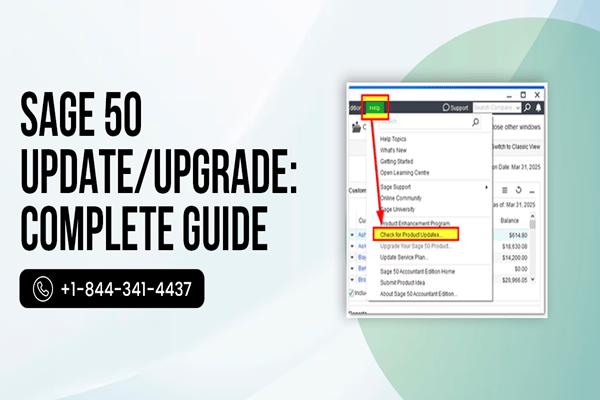
How Can You Complete a Sage 50 Upgrade Without Facing Technical Errors?
Completing a Sage 50 upgrade without encountering technical issues is possible when businesses follow a structured approach that includes proper preparation, system checks, backups, and correct installation procedures. Upgrading your accounting software ensures access to the latest features, security improvements, and compliance updates. However, technical errors during the upgrade process can interrupt operations if not handled properly. This guide explains the essential steps businesses should follow to perform a smooth upgrade while protecting their financial data and maintaining system stability. If you need professional assistance during the process, experts are available at +1-844-341-4437 to help ensure your upgrade is completed successfully. Why Is a Sage 50 Upgrade Important for Businesses? Upgrading accounting software is not just about accessing new features—it also helps businesses maintain performance, security, and compliance. A properly completed Sage 50 upgrade can significantly improve system reliability and overall efficiency. Improved Software Performance New versions of Sage 50 often include performance improvements that help the software run faster and more efficiently. These enhancements reduce processing time for financial reports and daily accounting tasks. Enhanced Security Protection Security updates are a major benefit of performing a Sage 50 upgrade. Updated versions include patches that protect your financial data from vulnerabilities and cyber threats. Access to New Features New releases often introduce automation tools, improved reporting features, and enhanced dashboards that simplify financial management. Compliance with Regulations Tax regulations and accounting standards frequently change. Installing the latest Sage 50 update ensures your system remains compliant with these requirements. What Should You Do Before Starting a Sage 50 Upgrade? Preparation is the key to avoiding technical errors during the upgrade process. Before beginning the installation, businesses should complete several important steps. Backup Your Company Data The first and most critical step is creating a complete backup of your company files. A backup ensures that your financial data remains safe if something goes wrong during the upgrade. Check System Requirements Before installing a new version, verify that your computer meets the required specifications, including operating system compatibility, RAM, and storage capacity. Install the Latest Updates Ensure that your current version has the most recent Sage 50 update installed. Updates often fix compatibility issues that could cause problems during the upgrade. Notify All Users In multi-user environments, inform all employees about the upgrade schedule. Users should log out of the system before the process begins. Taking these steps significantly reduces the risk of problems during a Sage 50 upgrade. How Do You Perform a Sage 50 Upgrade Step by Step? Following the correct installation process is essential for avoiding technical errors. The following steps outline a reliable approach. Step 1: Download the Latest Version Visit the official Sage portal and download the most recent version compatible with your license. Step 2: Close All Running Applications Close Sage 50 and any other programs running on your system to prevent installation conflicts. Step 3: Run the Installer as Administrator Right-click the installation file and select Run as Administrator. Administrative privileges allow the installer to modify system files and complete the process successfully. Step 4: Follow Installation Instructions Carefully follow the on-screen prompts to complete the installation process. Step 5: Convert Company Files Once the installation is finished, open Sage 50 and allow the software to convert your company files to the new version. This structured process helps ensure a smooth Sage 50 upgrade without unnecessary interruptions. What Are the Most Common Technical Errors During an Upgrade? Even with proper preparation, some users may experience technical issues during the upgrade process. Installation Errors Installation failures may occur due to antivirus programs blocking installation files or insufficient system permissions. Company File Conversion Errors Sometimes the software may struggle to convert company files to the new version. Network Configuration Issues In multi-user environments, incorrect server settings can prevent users from accessing the system after the upgrade. Missing Files or Data Improper installation or interrupted downloads may cause files to become inaccessible. Understanding these common problems helps users quickly resolve them and continue with their Sage 50 upgrade. How Can You Troubleshoot Sage 50 Upgrade Problems? If you encounter errors during the upgrade process, several troubleshooting steps can help resolve them. Restart the System A simple system restart can eliminate temporary conflicts and allow the installation to proceed normally. Disable Security Software Temporarily Antivirus or firewall programs may block certain installation files. Temporarily disabling them can resolve installation issues. Verify User Permissions Ensure the user account performing the upgrade has full administrative privileges. Restore Backup Files […]