How Much Can a Self-Employed PAT Tester Earn?
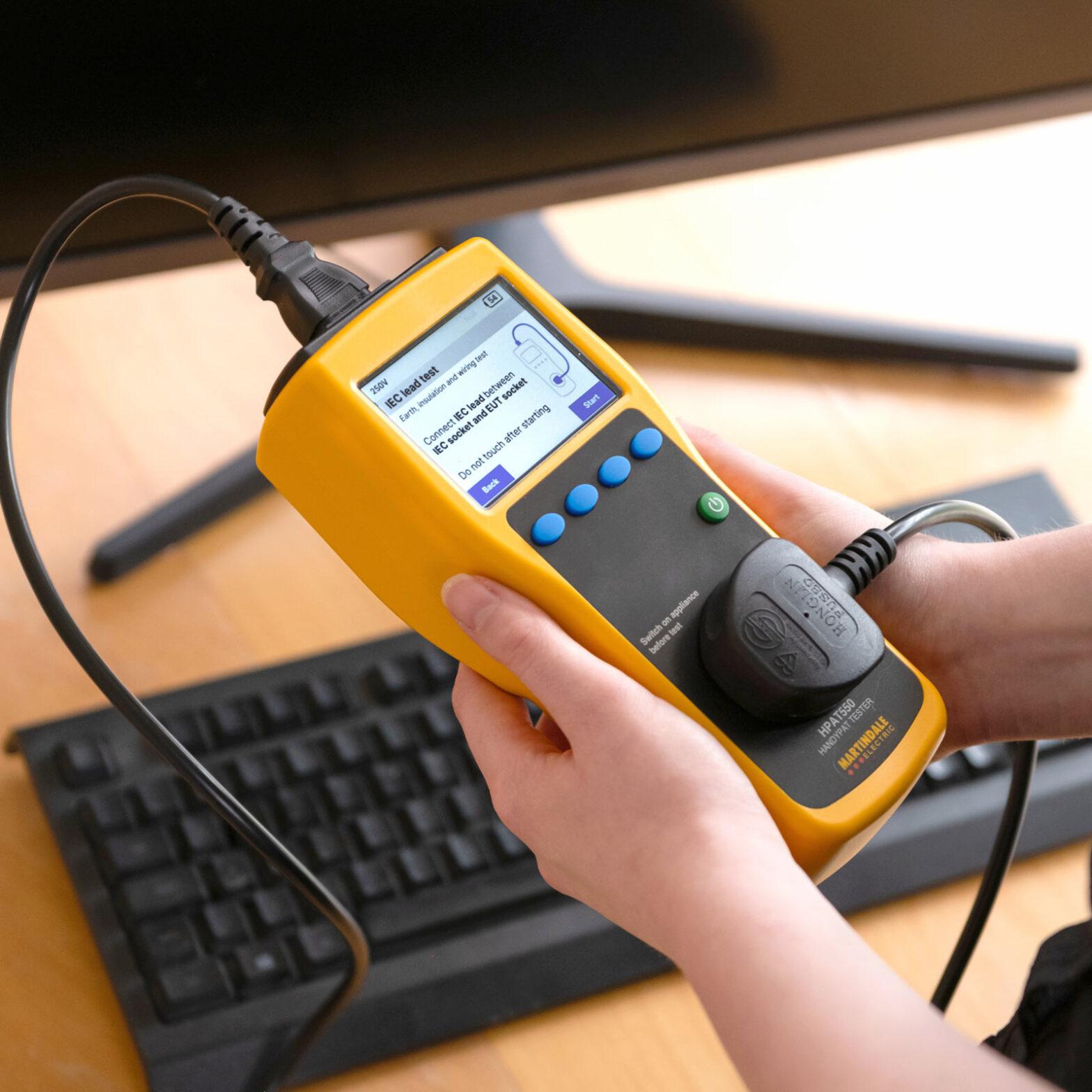
Thinking about becoming your own boss with minimal start-up costs and steady demand? Portable Appliance Testing (PAT) offers a practical route into self-employment, especially for those seeking flexible working hours and consistent income from businesses that must maintain electrical safety.
On this page
Table of Contents
On this page
Table of Contents
But how much can a self-employed PAT tester actually earn in the UK? The answer depends on pricing structure, client base, workload, location, and qualifications. In this guide, we break down realistic income figures, costs, growth potential, and how proper PAT testing certification training impacts your earning power.
What Does a Self-Employed PAT Tester Do?
A PAT tester inspects and tests portable electrical appliances to ensure they are safe to use. Clients typically include:
- Offices
- Schools and colleges
- Landlords and letting agents
- Construction companies
- Shops and retail units
- Care homes and healthcare providers
- Hospitality businesses
Although PAT testing is not explicitly required by law, employers must comply with the Electricity at Work Regulations 1989, which places a duty on businesses to maintain electrical equipment safely. This creates a steady demand for testing services.
Average Earnings of a Self-Employed PAT Tester
1. Daily Income
Most self-employed PAT testers charge:
- £1 to £2 per appliance (bulk testing)
- Or £150–£300 per day
If you test 200 appliances in a day at £1.50 per item:
- 200 × £1.50 = £300 per day
Smaller jobs may bring in £150–£200, while larger commercial contracts can exceed £400 per day.
2. Monthly Income
If you work:
- 3–4 days per week
- Average £250 per day
- 16 working days per month
16 × £250 = £4,000 per month (before expenses)
Even at a more conservative level:
12 days × £200 = £2,400 per month
This makes PAT testing a strong side business or part-time self-employment option.
3. Annual Income Potential
Full-time self-employed testers working consistently can earn:
- £30,000 – £45,000 per year
- Experienced operators with contracts: £50,000+
Income increases significantly if you:
- Secure repeat commercial contracts
- Work with letting agencies
- Offer additional services (e.g., minor electrical repairs)
What Affects Your Earnings?
Several factors influence how much you can earn.
Location
Urban areas such as:
- London
- Birmingham
- Manchester
Often command higher rates due to business density and demand.
Volume of Appliances
Large offices and schools may have hundreds of appliances. The more items you test efficiently, the higher your daily profit.
Efficiency matters.
Training and Certification
Clients prefer qualified professionals. Completing recognised PAT testing certification training increases credibility and allows you to:
- Charge professional rates
- Win larger contracts
- Demonstrate competence to insurance providers
Proper PAT testing certification training also teaches correct testing procedures, record keeping, and risk assessment — reducing liability risks.
Business Expenses to Consider
Your income is not pure profit. Typical costs include:
- PAT testing machine (£300–£1,200)
- Labels and consumables
- Calibration costs
- Public liability insurance
- Transport and fuel
- Marketing (website, business cards)
However, compared to many trades, start-up costs are relatively low.
Many testers recover their initial investment within the first 1–2 months of consistent work.
Is PAT Testing a Good Side Business?
- Low overhead
- Repeat annual work
- Minimal staff required
- Flexible scheduling
Professional presentation and reliability often matter more than price alone.
Realistic Income Scenarios
Let’s break it down into three realistic scenarios:
Part-Time (2 days per week)
- 8 days per month
- £220 average daily rate
- £1,760 per month
- Approx. £21,000 per year
Ideal for supplementary income.
Semi-Full Time (3–4 days per week)
- 14 days per month
- £250 per day
- £3,500 per month
- £42,000 per year
Suitable for primary income.
Full-Time with Contracts
- 18–20 days per month
- £300 average daily rate
- £5,400+ per month
- £60,000+ annually (before expenses)
Achievable with a strong client base and commercial contracts.
Risks and Challenges
While profitable, self-employment carries responsibilities:
- Income can fluctuate
- You must manage tax and bookkeeping
- Marketing is your responsibility
Comments
0 comments
No comments yet. Be the first to comment.
Related Articles

Nov 27, 2025
Premier Driving School in Middleton: Excellence in Local Driving Education
In the thriving community of Middleton, where reliable transportation facilitates access to employment, education, and leisure, choosing an exemplary driving school is essential for building lifelong skills. As the leading Driving School in Middleton, we offer meticulously crafted driving lessons Manchester that address the specific challenges of Middleton’s road network, including its proximity to the […]

Nov 25, 2025
Choosing the Right Driving Instructor in Stockport
Finding a qualified driving instructor Stockport is essential for anyone looking to master the art of driving. With its mix of urban and suburban landscapes, Stockport offers diverse driving conditions that can be both challenging and rewarding for new drivers. A skilled instructor will guide you through these varying environments, teaching you how to handle […]