What Is Sage 300 Cloud Hosting and How Can It Transform Your Business?
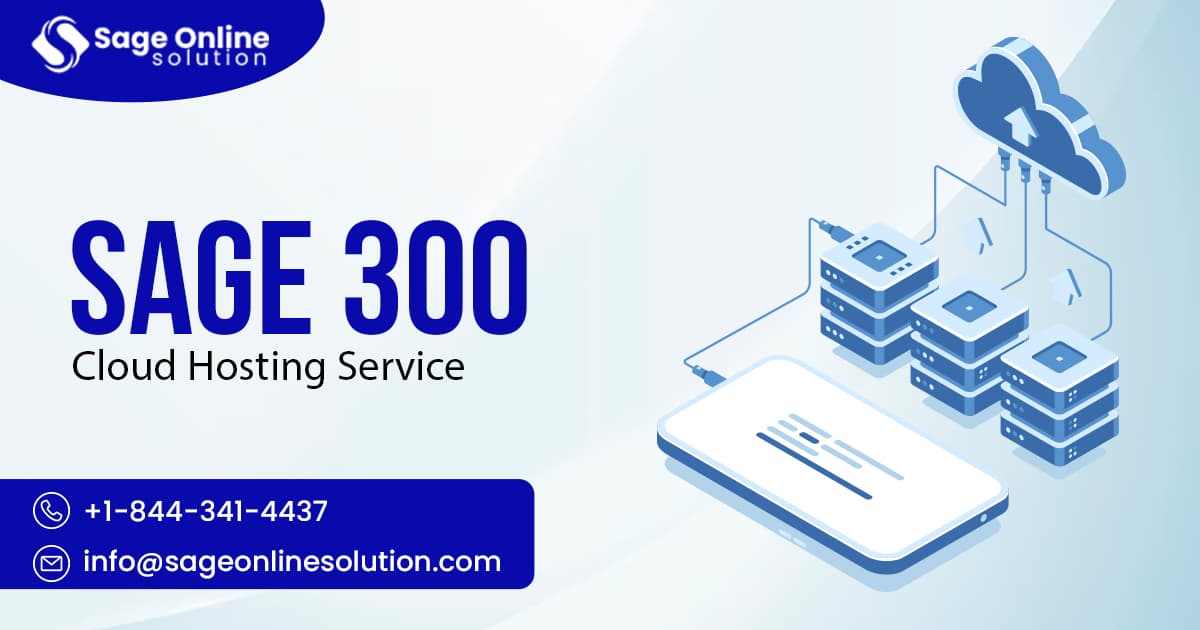
In today’s fast-paced business environment, companies are increasingly adopting cloud-based solutions to improve efficiency, scalability, and security. Sage 300 cloud hosting is a powerful way to run your ERP system in the cloud while minimizing IT overhead. By hosting Sage 300 ERP on the cloud, organizations can streamline operations, enhance collaboration, and ensure their business-critical data is secure.
On this page
Table of Contents
On this page
Table of Contents
Businesses interested in implementing cloud ERP can call +1-844-341-4437 to learn how sage 300 cloud hosting can transform their operations and improve performance.
What Is Sage 300 Cloud Hosting?
Sage 300 cloud hosting allows your ERP system to be deployed on secure cloud servers instead of on-premise hardware. In this model, a cloud provider manages servers, storage, and networking, while you focus on your business operations.
Key Features of Sage 300 Cloud Hosting:
- Secure storage and encryption
- Remote access for employees across locations
- Automatic updates and patch management
- Scalable infrastructure for growing businesses
- Disaster recovery and automated backups
For businesses in construction and real estate, sage 300 cre cloud hosting adds specialized modules and tools to manage projects, contracts, and costs efficiently. By hosting Sage 300 ERP on the cloud, companies reduce IT complexity while improving system uptime. Call +1-844-341-4437 to explore customized solutions for your business.
How Can Sage 300 Cloud Hosting Transform Your Business?
Adopting sage 300 cloud hosting offers several transformative benefits for businesses of all sizes:
1. Enhanced Data Security
Cloud hosting providers implement advanced encryption, firewalls, and continuous monitoring. This ensures sensitive financial and operational data is safe from cyberattacks and unauthorized access.
2. Reduced IT Costs
By hosting Sage 300 ERP on the cloud, businesses can avoid large upfront investments in servers and reduce IT maintenance costs. IT teams can focus on strategic projects instead of routine server management.
3. Scalability and Flexibility
Cloud hosting allows businesses to scale resources according to workload demands. This ensures smooth performance during peak periods without expensive infrastructure upgrades.
4. Improved Business Continuity
Automated backups and disaster recovery solutions guarantee quick restoration of ERP systems in case of hardware failure, cyberattacks, or other emergencies.
For businesses looking to maximize operational efficiency, call +1-844-341-4437 to learn how sage 300 cloud hosting can streamline processes and ensure continuity.
What Is Sage 300 CRE Cloud Hosting?
For construction and real estate businesses, sage 300 cre cloud hosting provides specialized functionality designed to manage projects, contracts, and financials efficiently.
Key Benefits:
- Project cost tracking and budgeting
- Streamlined contract and change order management
- Real-time reporting for construction projects
- Remote access to project and financial data
By combining the benefits of cloud hosting with CRE-specific modules, sage 300 cre cloud hosting allows construction and real estate firms to optimize project management while maintaining secure ERP access. Call +1-844-341-4437 for tailored cloud hosting solutions.
How Does Hosting Sage 300 ERP on the Cloud Improve Collaboration?
Cloud hosting enables teams to access real-time ERP data from multiple locations, enhancing collaboration across departments.
Collaboration Advantages:
- Shared dashboards and reports
- Streamlined workflows across finance, operations, and project management
- Remote access for global teams
- Faster decision-making with accurate, real-time information
Businesses using sage 300 cloud hosting report increased productivity and better coordination among departments. To implement collaborative cloud solutions, call +1-844-341-4437.
What Are the Cost Advantages of Sage 300 Cloud Hosting?
Moving to the cloud reduces upfront IT expenses and allows businesses to adopt a predictable subscription-based model.
Cost Benefits Include:
- Lower hardware and infrastructure costs
- Reduced IT staffing requirements
- Minimized downtime and maintenance costs
- Faster ROI due to quicker deployment
For a detailed cost analysis of or standard cloud hosting, call and speak with an expert.
- Dedicated resources for one organization
- Enhanced control and security
- Suitable for large enterprises or regulated industries
3. Hybrid Cloud Hosting
- Combines public and private cloud environments
- Sensitive data remains private while other workloads use public cloud
- Optimized for security and cost-efficiency
Call +1-844-341-4437 to determine the right hosting model for hosting Sage 300 ERP on the cloud.
Frequently Asked Questions (FAQs)
1. What is Sage 300 cloud hosting?
Sage 300 cloud hosting runs your ERP system on secure cloud servers with remote access, automatic updates, and backups. Call +1-844-341-4437 to explore your hosting options.
2. How secure is sage 300 cre cloud hosting?
Cloud hosting provides encryption, firewalls, monitoring, and disaster recovery to protect ERP data. For secure sage 300 cre cloud hosting, call +1-844-341-4437.
3. Can small businesses use Sage 300 cloud hosting?
Yes, public cloud hosting is scalable and cost-effective for small businesses. Call +1-844-341-4437 to learn how hosting Sage 300 ERP on the cloud can help.
4. What are the benefits of hosting Sage 300 ERP on the cloud?
Benefits include lower IT costs, improved collaboration, real-time data, and automatic updates. For sage 300 cloud hosting solutions, call +1-844-341-4437.
5. How do I choose the right cloud hosting provider for Sage 300?
Look for security, compliance support, uptime guarantees, and 24/7 monitoring. Call +1-844-341-4437 to select the best hosting solution for your business.
Future Trends in Sage 300 Cloud Hosting
As cloud technology advances, sage 300 cloud hosting will continue evolving:
- AI and Analytics: Automates workflows and provides predictive insights
- Advanced Security: Real-time monitoring and enhanced encryption
- Edge Computing: Faster processing and real-time reporting
- Sustainability: Energy-efficient cloud infrastructure
Businesses adopting cloud hosting early gain agility, security, and a competitive edge.
Comments
0 comments
No comments yet. Be the first to comment.
Related Articles
Mar 17, 2026
How Can You Manually Download Updates in Sage 50? A Simple Step-by-Step Guide
Understanding how to manually download updates sage 50 is essential for businesses that want to maintain accurate accounting performance, ensure compliance, and access the latest software improvements without relying on automatic updates. Many organizations prefer manual installation to maintain system control, test compatibility, or manage network restrictions. If you require professional assistance while performing the […]