✈️ The Art of Hospitality in Aviation: Why Soft Skills Matter the Most
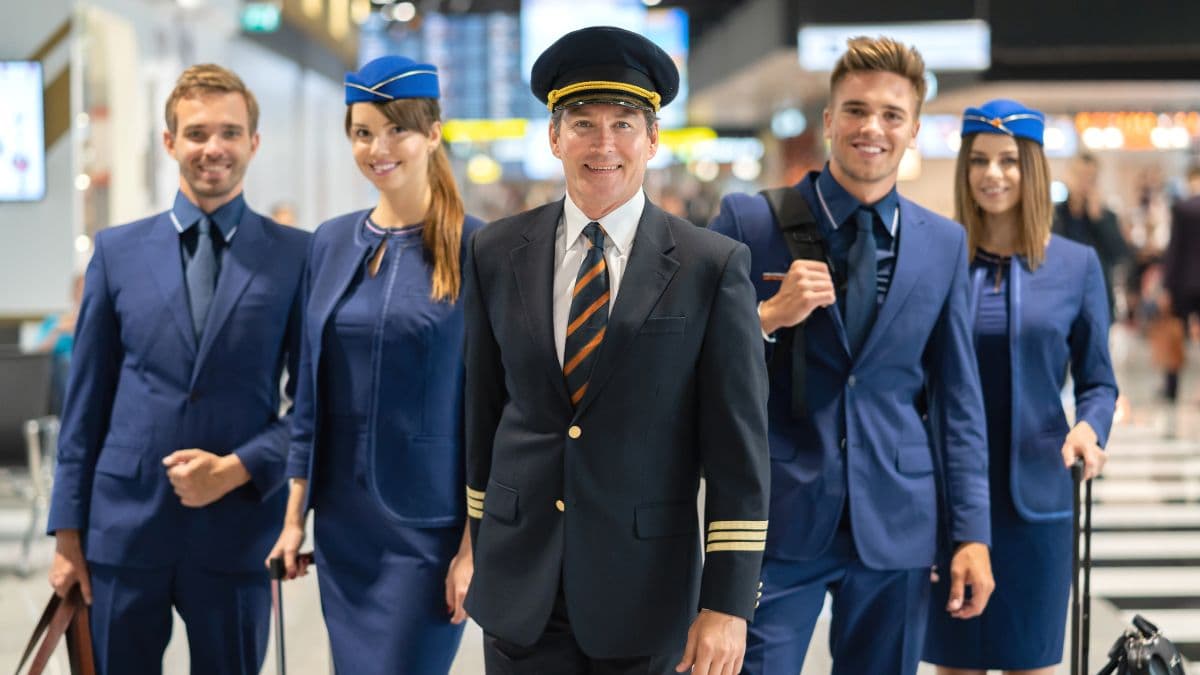
When we think about the aviation industry, we often picture airplanes, airports, and pilots — but what truly defines a passenger’s flying experience is hospitality. From the moment travelers check in to the time they collect their baggage, their journey is shaped by how they’re treated by aviation professionals.
On this page
Table of Contents
On this page
Table of Contents
This is where soft skills — communication, patience, empathy, and confidence — play a vital role. In today’s competitive airline industry, technical knowledge alone isn’t enough. Airlines are now looking for individuals who can deliver not just service, but a memorable experience.
🌍 The Human Touch in the Sky
Every flight is a mix of emotions — excitement, nervousness, and anticipation. Cabin crew members are the face of the airline and are responsible for making passengers feel comfortable and safe throughout their journey.
This requires excellent communication skills, presence of mind, and a calm personality. That’s why students who join an air hostess course are trained not just in safety procedures but also in emotional intelligence and customer interaction.
These qualities are what make passengers remember a flight as “pleasant” or “stress-free.”
✈️ Why Airlines Value Soft Skills More Than Ever
As airlines compete globally for customer loyalty, passenger satisfaction has become their top priority. Modern travelers expect warmth, courtesy, and professionalism at every step — from check-in counters to in-flight services.
Here’s why soft skills have become the backbone of aviation careers:
Better Passenger Experience: Friendly and confident cabin crew members make travelers feel cared for.
Crisis Management: Calm communication can de-escalate difficult situations onboard.
Cultural Sensitivity: Airlines operate worldwide, so understanding global etiquette is vital.
Teamwork and Coordination: Smooth operations depend on cooperation between crew, pilots, and ground staff.
🎓 Building Professionalism with Skytech Aviation
Developing these skills requires structured training, and that’s where Skytech Aviation comes in. Recognized as the best air hostess training institute in Delhi, Skytech focuses on both the technical and personal development of students.
Their courses include modules on grooming, spoken English, confidence building, and public speaking — all of which are essential for aviation success. Students participate in real-world scenarios such as mock flight announcements and customer interaction sessions, ensuring they’re fully prepared before stepping into the industry.
Skytech’s experienced trainers, who have worked with leading airlines, provide personalized feedback to help students grow into polished professionals.
🌟 The Journey from Classroom to Cabin
Every aviation career begins with a dream — but it takes discipline, dedication, and skill to make it real. At Skytech Aviation, students experience a blend of theory and practice that helps them adapt to the fast-paced world of aviation.
Here’s how the journey unfolds:
Training & Skill Development: Students learn flight safety, grooming, and customer service.
Mock Drills & Simulations: Practice real in-flight situations for confidence and accuracy.
Interview Preparation: Guidance on airline interviews, body language, and professional etiquette.
Placement Support: Direct connections with top domestic and international airlines.
This complete learning path ensures that every student leaves Skytech with not only knowledge but also personality and professionalism.
💼 Soft Skills Beyond Aviation
The beauty of soft skills is that they’re universal. Once mastered, they open doors beyond aviation — in hospitality, tourism, and corporate communication.
Many Skytech graduates have gone on to work in luxury hotels, travel companies, and airport management, where their interpersonal abilities make them stand out.
🌏 How the Aviation Industry Is Evolving
Post-pandemic, airlines have completely redefined customer service standards. There’s a stronger focus on hygiene, empathy, and human interaction. Passengers expect clear communication and comfort — something only well-trained staff can provide.
With more international flights and newer airlines entering the Indian market, the demand for trained professionals is only growing. This is why pursuing a professional aviation course today is one of the smartest decisions you can make for your career.
🧭 Why Choose Aviation as a Career
Aviation is not just about traveling — it’s about learning how to present yourself, think quickly, and adapt to different environments. The perks of the job are endless:
Travel the world while getting paid
Build global exposure and cultural understanding
Earn competitive salaries and enjoy travel benefits
Develop confidence and interpersonal skills
Experience a dynamic, fast-paced career
Skytech Aviation helps you gain the foundation and professionalism needed to thrive in this exciting field.
🎯 Final Thoughts
Hospitality is what keeps the aviation world flying smoothly. The way you speak, smile, and help others can turn a regular flight into a memorable experience for passengers. That’s why soft skills training is now at the heart of every successful aviation career.
Skytech Aviation ensures that students don’t just learn how to fly high but also how to stand out with grace, confidence, and charm.
📍 Visit Skytech Aviation
If you’re ready to build a career in aviation that blends skill, confidence, and global exposure, visit Skytech Aviation today.
You can view our location on Google Maps to find our Delhi training center and take the first step toward your aviation dream!
Comments
0 comments
No comments yet. Be the first to comment.
Related Articles

Mar 17, 2026
How Can You Manually Download Updates in Sage 50? A Simple Step-by-Step Guide
Understanding how to manually download updates sage 50 is essential for businesses that want to maintain accurate accounting performance, ensure compliance, and access the latest software improvements without relying on automatic updates. Many organizations prefer manual installation to maintain system control, test compatibility, or manage network restrictions. If you require professional assistance while performing the […]